As midsummer approaches, and the days grow ever longer, a sports event typically captivates the headlines as the story of the summer. Some years, that story focuses on the World Cup, whilst two years later the Olympics tends to take the crown.
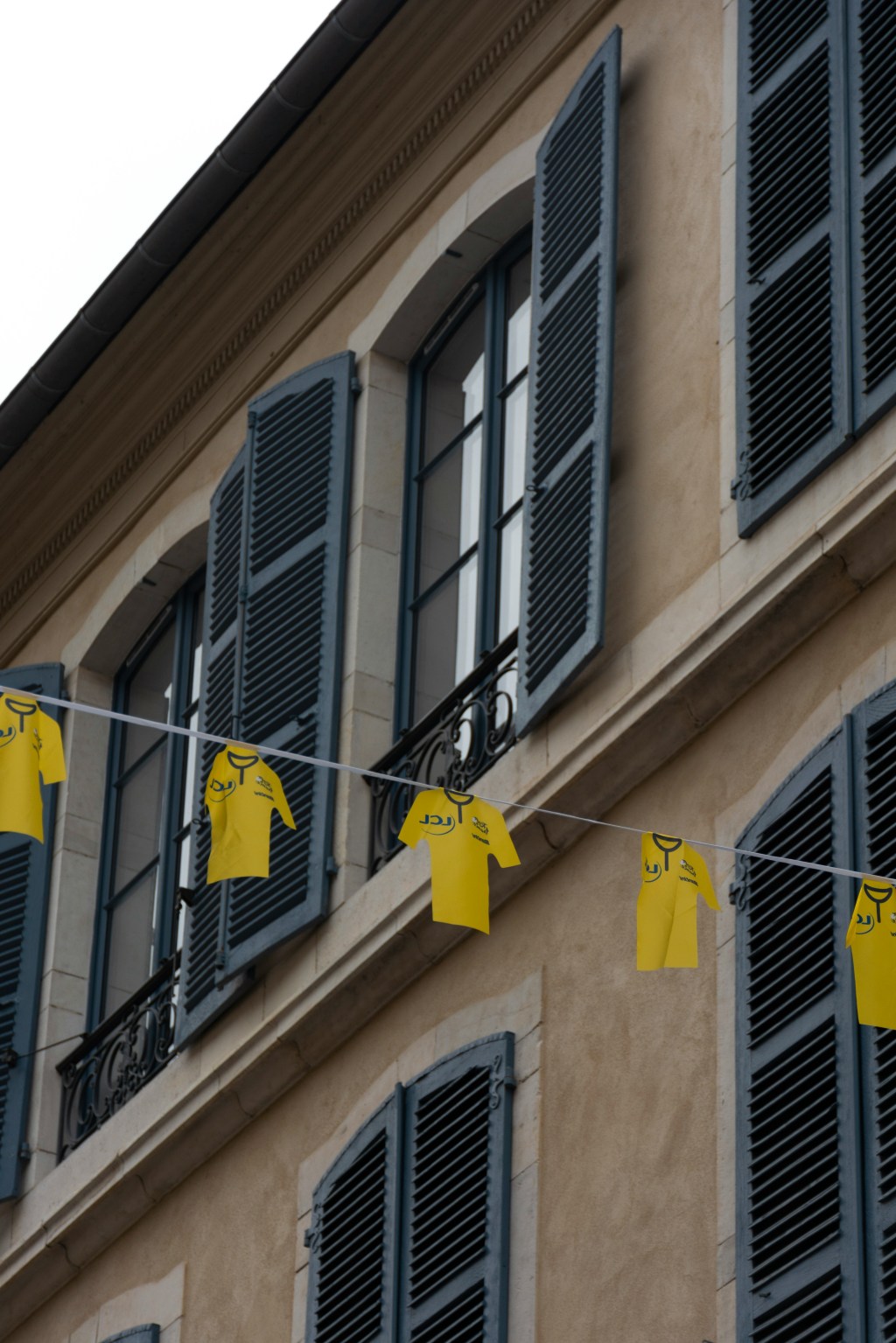
But every year, as June turns to July, the sporting world turns its gaze to a quieter discipline, one that spends much of the calendar crowded out by more glamorous pursuits. The event in question? Cycling’s blue-riband occasion, and a race that is defined by yellow: the Tour de France.
From August through to the following June, cycling holds a divisive presence in communities across the globe. For some, the mere mention of lycra and watts prompts a roll of the eye, to others it is the focal point of the weekend. Yet in July, the sport of the skinny and frail reminds the naysayers that its athletes are some of the most fearsome and bold.
What makes the Tour de France special?
Since L’Auto kicked off the first race on July 1st 1903, the Tour de France has solidified its status as one of the most iconic sporting events. But what makes the Tour so special?
In one word, the answer is accessibility. There are no eye watering ticket prices for seats with minimal view, as the stadiums are often local roads. Whether that is Alpe d’Huez or the Champs-Élysées, or a quiet road near a sleepy area in Nogent-le-Rotrou, the Tour whistles by settlements through the entirety of France, no matter how big or small.
That accessibility brings moments of sporting greatness to your local doorstep, or, at the very least, to roads and pavements you are free to travel yourself. Think of the moments like Gino Bartali and Fausto Coppi’s temporary 1949 Alpine truce, Greg LeMond’s 8-second time trial victory in 1989, and more recently Tadej Pogacar’s magnificent capitulation at the hands of Jonas Vingegaard on the Col du Granon in 2022. All rich in drama, all free from the enclosure of the stadiums and arenas where most other sporting gladiators most do battle.
In cycling, the blood is spilled out in the open. That accessibility not only keeps fans’ change in their pockets, but also brings them closer and closer to the suffering of the stars. From just metres away, spectators lining the roadside watch as riders wring the very last watts from their fibres, each one in search of a place barely inside the first hundred.
Beyond the proximity of the riders, there is also the magnitude of the surroundings that add to the spectacle. On one day, the riders are littered across a mountain pass, sometimes in the shadow of the Mont Blanc massif itself. The very next day, they’re packed tightly together, racing past urban landmarks such as the Arc de Triomphe or the Basilique Notre-Dame de la Garde.
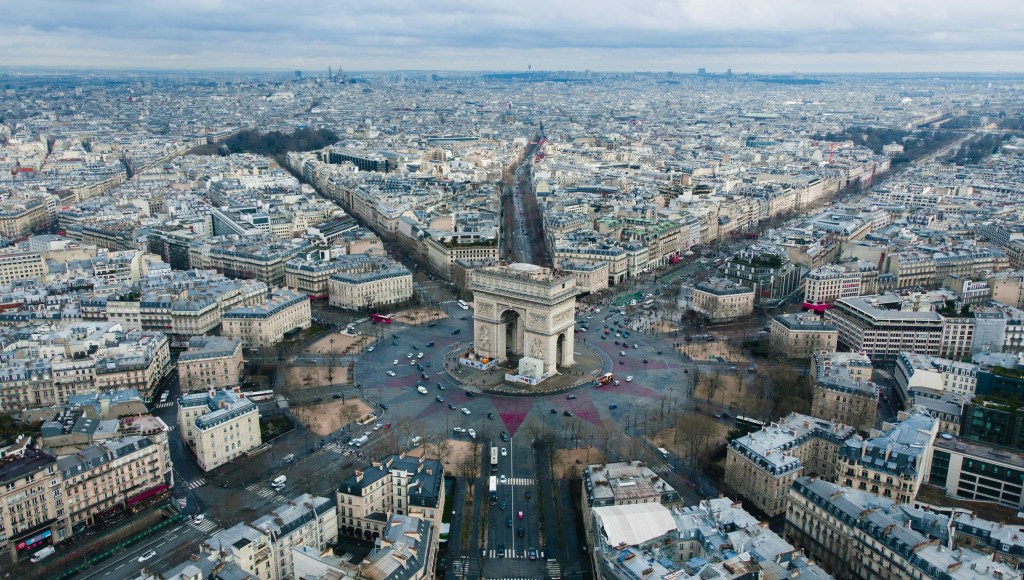
By blending the hustle and bustle of urban culture with the sublime of the Alps or the Pyrenees, the Tour de France does something other endurance sports struggle to do. While ultra-runners and other endurance athletes often compete far from the limelight, hidden in remote mountains and wilderness, the Tour carries its riders through both extremes: from high, lonely passes to the bright lights of France’s great cities.
And in that proximity, the illusion begins to fall away. These riders may seem almost otherworldly, capable of dragging their bodies past their limits, but seen from the roadside they become human again. They are fragile, suffering, and unmistakably made of the same flesh and bone as you and I.
Cycling, at its core, is the sport of the little people. In a world where we’re increasingly told that bigger is better, cycling’s best are often the most diminutive figures. But despite their shrunken frames and hollow cheeks, the riders consistently show that human strength is not always defined by bulging muscles and brute force.
To an outsider, they may look like skinny people on bikes. But every July the Tour’s collection of skin and bone embody the pinnacle of human endurance, and the stubbornness required to keep going when the body has long since asked to stop.
Want to learn more? Visit the official Tour de France website for the latest route, stage profiles, history and race information.


Leave a comment